- Admin
- #1

(Final Report) N740RH Robinson R44 Helicopter Honolulu Hawaii 18 AUG 2024
1 POB - No Injury
Pilot Flight Time: 1532 hours (Total, all aircraft), 791 hours (Total, this make and model)
On August 18, 2024, about 1600 Hawaii-Aleutian standard time, a Robinson R44 helicopter, N740RH, sustained substantial damage when it was involved in a pre-takeoff accident near Honolulu, Hawaii. The pilot was uninjured.
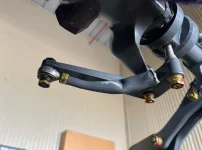
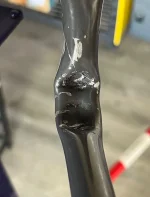
The pilot reported that, before boarding passengers, she started the engine, engaged the clutch and, as the main rotor system began to engage, she felt and saw the left pedal deflect full forward without any control input. The pilot immediately shut down the engine, stopped the rotors, and exited the helicopter to inspect the tail rotor assembly. The tail rotor push-pull tube was found bent and severed aft of the tail rotor gear box, near the bell crank assembly.
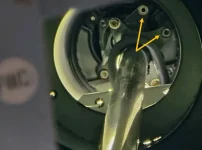
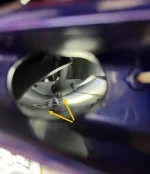
A post accident examination revealed a bolt missing from the flex plate assembly, just forward of the tail rotor gearbox. The bolt was found in the tailboom just below the flex plate assembly and exhibited significant circumferential wear marks. A second bolt from the flex plate assembly exhibited similar wear; the two other bolts in the assembly exhibited no wear and were firmly torqued to the flex plate assembly. Black dust was observed on the flex plate and associated hardware, indicative of fretting.
The helicopter went through a major overhaul in May of 2024, at which time the tail rotor drive shaft, aft flex plate assembly, and tail rotor push-pull tube were installed. Since May of 2024 the accident helicopter had flown about 338 hours. The most recent 100-hour inspection was completed on August 1, 2024, by the operator. The 100-hour inspection requires the operator to inspect the tail rotor flex plate assembly.
A review of the airframe maintenance logbooks showed evidence of compliance with the helicopter manufacturer’s 100-hour inspection to include the flex plate assembly. The circumferential wear and black dust present during the postaccident examination indicate that the bolts were likely loose during the 100-hour inspection; however, no evidence of fretting or looseness was documented.
It is likely that, over time, two of the bolts in the flex plate assembly became loose during operation because they were not properly torqued during installation.
Probable Cause and Findings:
A failure of the flex plate yoke flange assembly due to incorrectly torqued bolts. Contributing was the maintenance personnel’s inadequate inspection of the tail rotor flex plate assembly.

1 POB - No Injury
Pilot Flight Time: 1532 hours (Total, all aircraft), 791 hours (Total, this make and model)
On August 18, 2024, about 1600 Hawaii-Aleutian standard time, a Robinson R44 helicopter, N740RH, sustained substantial damage when it was involved in a pre-takeoff accident near Honolulu, Hawaii. The pilot was uninjured.
The pilot reported that, before boarding passengers, she started the engine, engaged the clutch and, as the main rotor system began to engage, she felt and saw the left pedal deflect full forward without any control input. The pilot immediately shut down the engine, stopped the rotors, and exited the helicopter to inspect the tail rotor assembly. The tail rotor push-pull tube was found bent and severed aft of the tail rotor gear box, near the bell crank assembly.
A post accident examination revealed a bolt missing from the flex plate assembly, just forward of the tail rotor gearbox. The bolt was found in the tailboom just below the flex plate assembly and exhibited significant circumferential wear marks. A second bolt from the flex plate assembly exhibited similar wear; the two other bolts in the assembly exhibited no wear and were firmly torqued to the flex plate assembly. Black dust was observed on the flex plate and associated hardware, indicative of fretting.
The helicopter went through a major overhaul in May of 2024, at which time the tail rotor drive shaft, aft flex plate assembly, and tail rotor push-pull tube were installed. Since May of 2024 the accident helicopter had flown about 338 hours. The most recent 100-hour inspection was completed on August 1, 2024, by the operator. The 100-hour inspection requires the operator to inspect the tail rotor flex plate assembly.
A review of the airframe maintenance logbooks showed evidence of compliance with the helicopter manufacturer’s 100-hour inspection to include the flex plate assembly. The circumferential wear and black dust present during the postaccident examination indicate that the bolts were likely loose during the 100-hour inspection; however, no evidence of fretting or looseness was documented.
It is likely that, over time, two of the bolts in the flex plate assembly became loose during operation because they were not properly torqued during installation.
Probable Cause and Findings:
A failure of the flex plate yoke flange assembly due to incorrectly torqued bolts. Contributing was the maintenance personnel’s inadequate inspection of the tail rotor flex plate assembly.